Get Tickets

Malacology

Malacology is the scientific study of mollusks — animals like snails, clams, and other shelled and soft-bodied invertebrates. At Bernice Pauahi Bishop Museum, this includes both land and marine mollusks from Hawaiʻi and the Pacific.

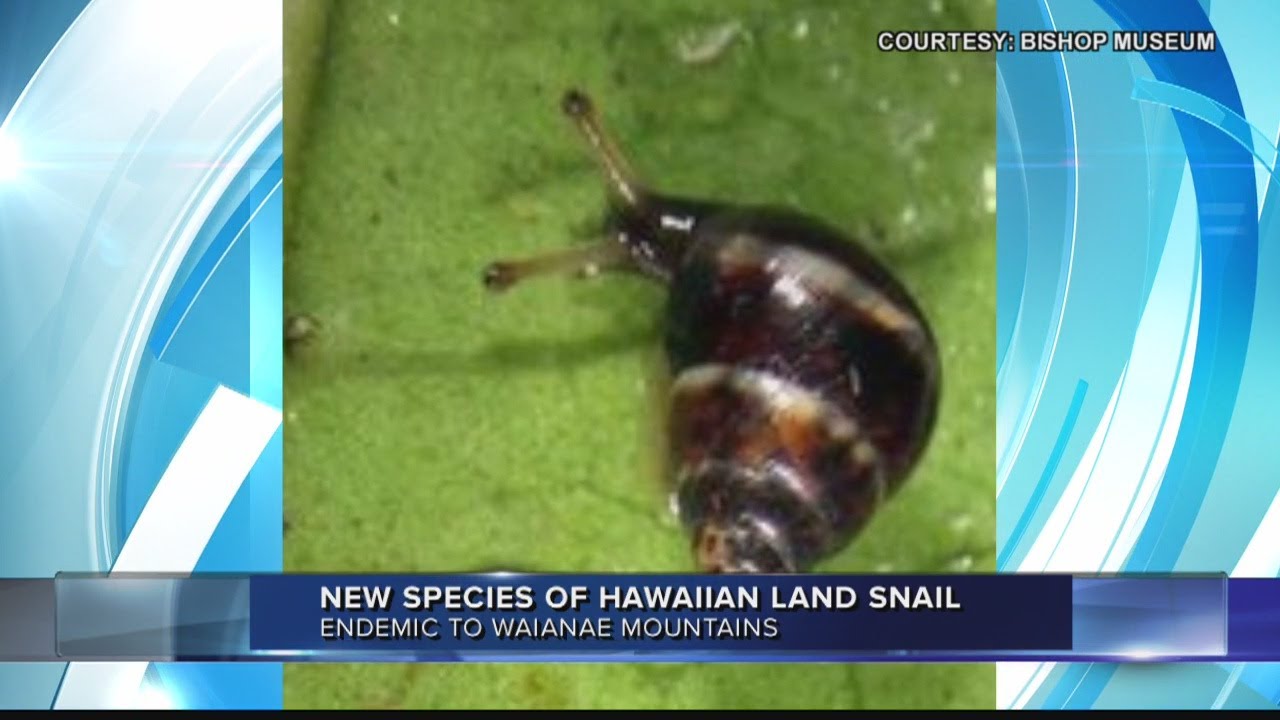
a close up of a snail on a leaf.
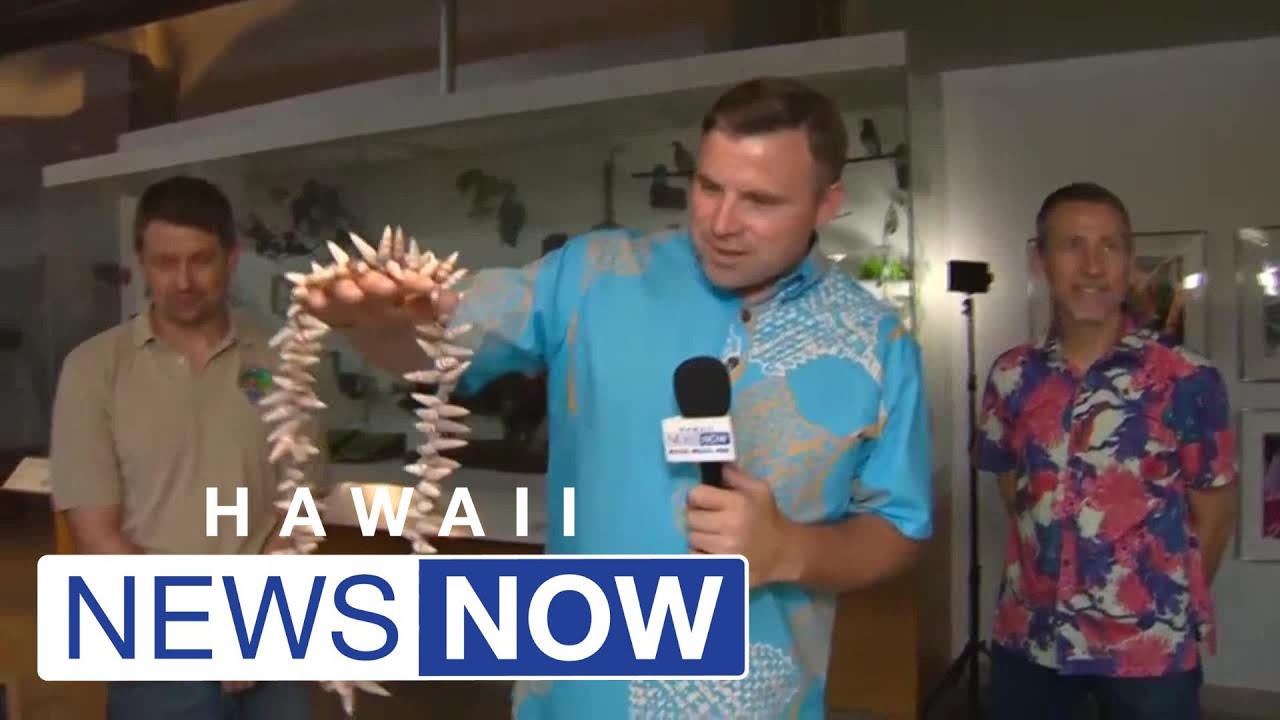
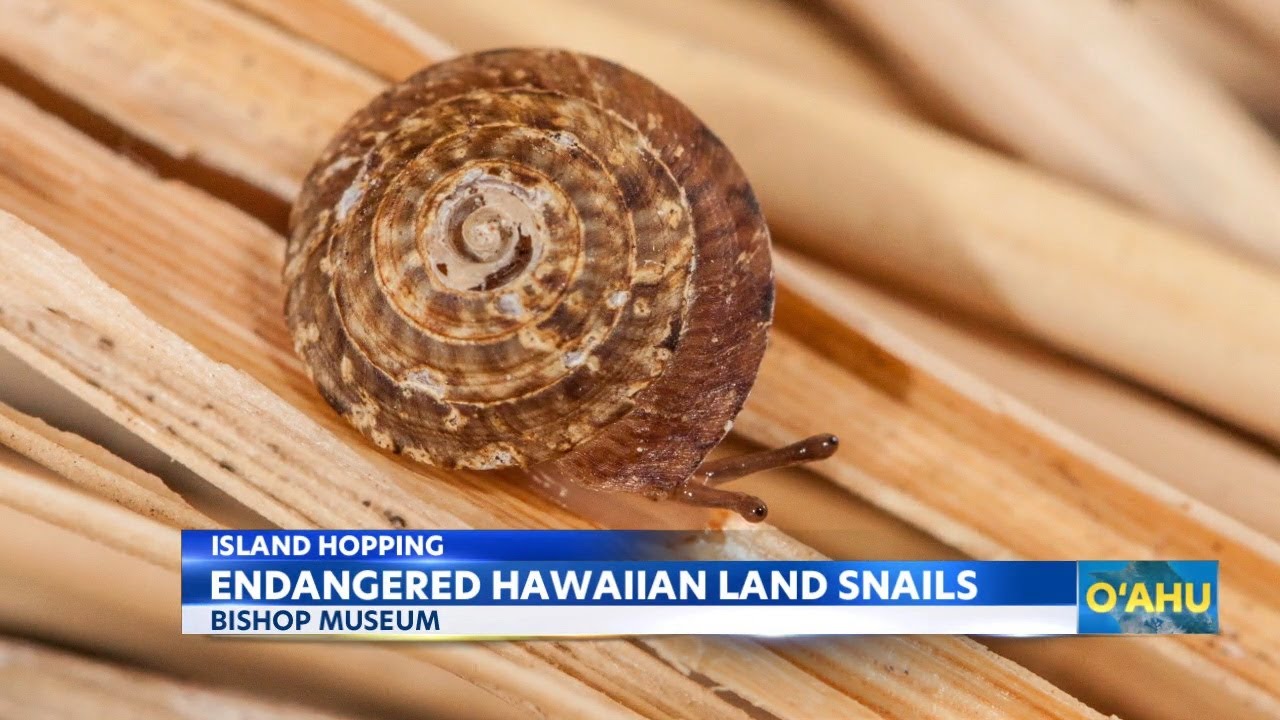
a close up of a snail on a piece of wood.
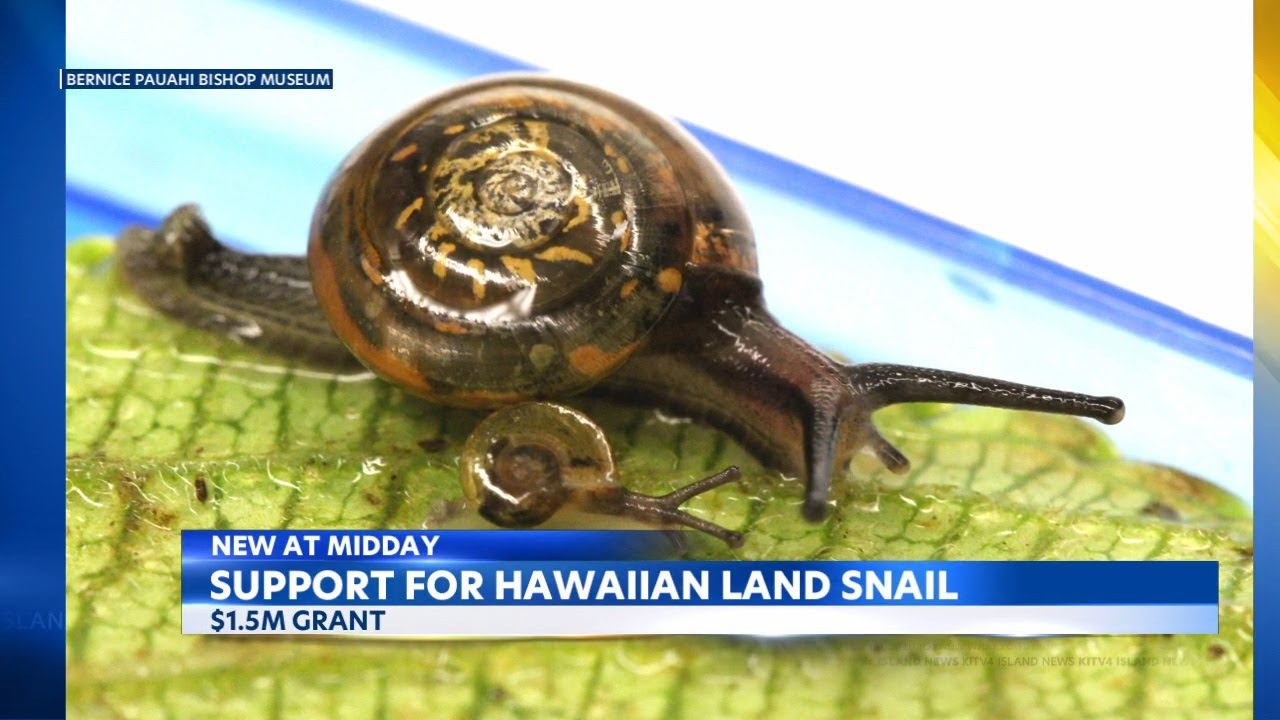
a close up of two snails on a leaf.
A simple blue illustration of a large snail next to a smaller snail on a plain white background.

This Collection:
6+ Million Specimens

A simple blue silhouette illustration of a sea slug with wing-like shapes on its back, set against a white background.

Undescribed Species: 300+ Specimens

A simple blue silhouette of a slug with spots on its back, shown on a plain white background.

Endemic Species:
479 Specimens

A stylized blue snail with a patterned shell and body, depicted on a plain white background.

Active Captive Rearing Program

Playlist

4 Videos

Why does it matter?

Mollusks are key parts of ecosystems and can signal environmental change. Native Hawaiian snails, in particular, are culturally and biologically important, but many are threatened by invasive species and habitat loss. Studying them helps with conservation, biosecurity, and biodiversity understanding.

What does the department look after?

The Malacology Department curates one of the world’s largest mollusk collections — with millions of specimens from across the Pacific region — serving as a reference for research, conservation, and education.

What do malacologists do?

Staff and researchers identify, preserve, and study specimens, publish scientific research, develop guides (like identification resources for native and invasive snails), and support conservation efforts.

The Bishop Museum has one of the most comprehensive collection of Pacific island land snails in the world. The approximately 25,000 islands of the Pacific Ocean harbor more than 6,000 land snail species, most of which are only found on a single island or archipelago. Unfortunately, molluscs, particularly Pacific island land snails, have the highest recorded extinction rate of any major animal taxonomic group, making the Museum’s collection all the more important. This collection (6+ million specimens) includes representatives of many extinct, endangered, and threatened species and more than 300 undescribed species.

Molluscs represent the second most diverse group of animals among recognized species in the world. This incredibly diverse group of animals include cephalopoda (octopus, squid, cuttlefish), bivalvia (clams, oysters, geoducks), scaphopoda  (tusk shells), polyplacophora (chitons), and gastropoda (snails, nudibranchs, sea hares), many of which can be found in the Bishop Museum Malacology Collection. 

The first mollusc shells acquisition of the Bishop Museum was the Andrew Garrett Collection, purchased in 1894, and contains marine, land, and freshwater specimens. The subsequent history of the Malacology Collection is largely a history of numerous expeditions and field surveys throughout the Pacific and Indo-West Pacific Ocean, and of the acquisition of more than 30 major private collections, containing predominantly Pacific material. Many of these expeditions were led by Dr. Charles Montague Cooke, Jr., the first curator of the collection that established the department in 1907.

Most notable in the marine collection are the acquisitions between 1948 and 1963 of the D. D. Thaanum and D. B. Langford Collection, consisting of approximately 160,000 specimens from throughout the Pacific. In 2002, Bishop Museum acquired C. M. Burgess’s extensive collection of worldwide cowries and Dr. E. A. Kay gifted her extraordinary collection of molluscs along with her notes, photos, and literature collection to Bishop Museum in 2009.

Publications

Hayes, Kenneth & Christensen, Carl & Kim, Jaynee & Maruno, Taylor & Kishimoto, Christopher & Matsunaga, Janis & Robinson, David & Yeung, Norine. (2023). New records of Otala lactea (Müller, 1774) and Zachrysia provisoria (Pfeiffer, 1858) in Hawaii: using collaborative networks to combat invasive sleeper populations. BioInvasions Records. 12. 513-534.

Journal Article
BioInvasions Records

Cowie, Robert & Hayes, Kenneth & Tran, Chuong & Iii, Wallace. (2008). The horticultural industry as a vector of alien snails and slugs: Widespread invasions in Hawaii. International Journal of Pest Management - INT J PEST MANAGE. 54. 267-276.

Journal Article
International Journal of Pest Management

Meyer III WM, Hayes KA, Yeung NW, Crane III EJ, Turvey A, LeBlanc C, Cavalcanti ARO (2023) The trail less traveled: Envisioning a new approach to identifying key food resources for threatened Hawaiian arboreal snails. Nature Conservation 51: 137-153.

Journal Article
Nature Conservation
Please select listing to show.

Be a Part of Our Story

Celebrate the extraordinary history, culture, and environment of Hawaiʻi and the Pacific with a gift to Bishop Museum. As a partner in the Museum’s work, you can help to sustain vital collections, research, and knowledge, and inspire exploration and discovery with a tax-deductible donation.

Skip to content